
If you’re visiting Virginia Beach, the ocean isn’t the only place to see marine life. Just a few minutes from the shoreline sits the Virginia Aquarium & Marine Science Center, one of the city’s most popular indoor attractions.
But with so many things to do in Virginia Beach , beaches, boardwalk rides, dolphin tours, and waterfront restaurants , a lot of travelers ask the same question:
Is the Virginia Aquarium actually worth visiting?
I decided to find out during my third trip to Virginia Beach. On a cool afternoon in March 2026, I stopped by the aquarium for a date, arriving not long before closing time. The lobby was lively when we walked in, families pushing strollers, kids pointing excitedly toward the exhibits , but the atmosphere gradually became more relaxed as the afternoon faded.
My first impression was immediately positive. The space was bright, well-lit, and uncluttered, with a welcoming energy that made the entire building feel vibrant and easy to explore.
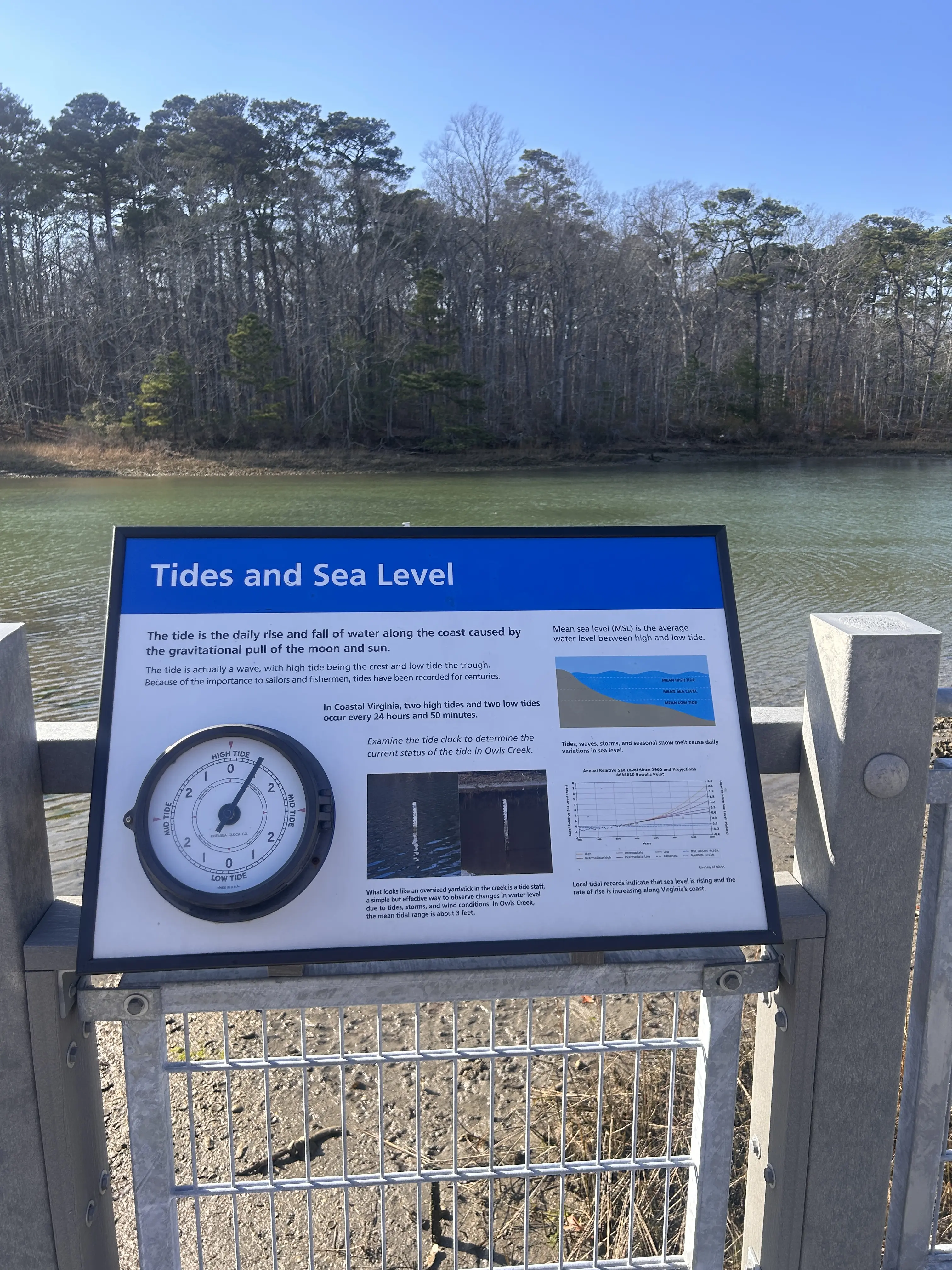
Over the next couple of hours, we explored shark tunnels, interactive exhibits, touch pools, and even walked a scenic nature trail along the salt marsh outside. I learned things I never expected (like the fact that stingrays are carnivores) and saw animals I had only ever read about , including my first ever Tomistoma, a rare crocodilian species.
So after spending time there, the real question becomes:
Is the Virginia Aquarium & Marine Science Center actually worth visiting when you’re in Virginia Beach?
Short answer: for most people, yes.
But whether it’s worth your time depends on what you enjoy, how long you plan to stay, and what kind of attractions you’re looking for.
Let’s break it down.

Is the Virginia Aquarium Worth Visiting?
If you’re short on time and just want the quick answer , yes, the Virginia Aquarium & Marine Science Center is worth visiting, especially if you enjoy marine life, interactive exhibits, or educational attractions.
Here’s the quick breakdown.
Why it’s worth it:
- Over 800,000 gallons of freshwater and saltwater exhibits filled with sharks, rays, turtles, reptiles, and thousands of marine animals.
- Interactive experiences like touch pools where you can feel stingrays up close.
- A scenic nature trail along Owls Creek salt marsh, which adds an outdoor element to the visit.
- Educational exhibits focused on marine science and conservation.
- Consistently strong visitor reviews and recognition as a top Virginia Beach attraction.
During my visit in March 2026, I spent almost two hours exploring the aquarium before closing time. Even arriving in the afternoon, there was still plenty to see from the Red Sea Tunnel filled with sharks and stingrays to interactive exhibits and the outdoor trail.
One moment that stuck with me was learning that stingrays are carnivores, something I genuinely didn’t know before seeing the exhibits and reading the displays.
The nature trail outside the aquarium was another unexpected highlight. Walking along the marsh, I saw an oyster reef for the first time, watched boats passing through the water, and noticed tiny baby crabs scattered along the shoreline , small details that made the experience feel more connected to the real coastal ecosystem.
Typical visit time:
Most visitors spend 2–4 hours here, depending on whether they explore both buildings, walk the trail, or add tours.
Best for:
- Families with kids
- Couples looking for a relaxed attraction
- Animal lovers and marine-life enthusiasts
- Anyone interested in conservation or ocean ecosystems
Possible downside:
The aquarium can get crowded , especially with families and strollers , though the crowds thinned out later in the afternoon during my visit.
Overall, if you’re spending a few days in Virginia Beach and want something educational, engaging, and different from the beach itself, the aquarium is a solid half-day activity.
What the Virginia Aquarium & Marine Science Center Is Known For
One of Virginia Beach’s Top Indoor Attractions
In a destination famous for beaches and boardwalk views, the Virginia Aquarium & Marine Science Center stands out as one of the most popular non-beach attractions in the city. It consistently ranks among the top things to do in Virginia Beach and is widely recommended for families, couples, and anyone curious about ocean life.
The aquarium blends large-scale exhibits with marine science education, creating a space that feels both entertaining and informative. Instead of simply displaying animals in tanks, the exhibits focus heavily on ecosystems , explaining how rivers, marshes, bays, and oceans all connect.
When I visited in March 2026, the first thing I noticed was how thoughtfully designed the space felt. The lobby was bright, organized, and welcoming, and the exhibits were easy to navigate without feeling cluttered or overwhelming.
It immediately felt like a place designed for people to slow down and explore, rather than rush through.
Over 800,000 Gallons of Marine Exhibits
The aquarium contains more than 800,000 gallons of freshwater and saltwater exhibits, housing thousands of animals from around the world.
Inside, you’ll find a wide variety of marine life including:
- Sharks
- Stingrays
- Sea turtles
- Reptiles
- Coastal fish species
- Amphibians
During my visit, the animals that stood out the most were the sharks, turtles, reptiles, and stingrays. Seeing them up close makes the scale of the exhibits much more impressive than photos suggest.
One of the most memorable moments was inside the Red Sea Tunnel, a walk-through tunnel surrounded by water where sharks, rays, and schools of fish swim overhead. Standing there while the animals glide past above you gives the experience a completely different perspective than looking through a normal aquarium window.
A Unique Two-Building Aquarium Experience
Unlike many aquariums that are contained in a single building, the Virginia Aquarium is spread across two separate exhibit buildings connected by an outdoor nature trail.
The main building focuses on coastal marine environments, while the second building explores additional habitats and exhibits.
Unfortunately, I arrived later in the afternoon and the aquarium closed at 5 PM, so I didn’t have time to fully explore the second building before closing.
However, I did walk the nature trail connecting the buildings, and it ended up being one of the most interesting parts of the visit.
The Scenic Nature Trail Along Owls Creek
Between the aquarium buildings is a one-third-mile nature trail along Owls Creek salt marsh, giving visitors a chance to step outside and see the local coastal ecosystem up close.
Walking along the trail was surprisingly peaceful compared to the busy exhibits inside.
For the first time in my life, I saw an oyster reef, something I had only read about before. There were also boats passing through the water, people fishing nearby, and tiny baby crabs scattered along the shoreline.
It’s a small part of the aquarium experience, but it connects the exhibits inside to the real-world environment outside , reminding visitors that the animals they’re seeing are part of a much larger coastal ecosystem.
Highlights Inside the Aquarium: Must-See Animals & Exhibits
The Red Sea Tunnel: Sharks and Stingrays Overhead
One of the most memorable parts of the Virginia Aquarium is the Red Sea Tunnel, a walk-through tunnel where marine life surrounds you from all directions.
As you step inside, the lighting dims and the curved glass overhead fills with movement. Sharks glide past slowly, schools of fish drift through the water, and stingrays float across the tunnel ceiling like underwater birds.
Walking through this section feels less like looking at an aquarium and more like standing inside the ocean itself.
During my visit, this was easily one of the most visually striking exhibits. Watching the sharks and rays move above the tunnel creates a completely different experience compared to viewing them through standard glass tanks.
It’s also one of the places where visitors tend to pause the longest , phones out, cameras ready, waiting for the perfect moment when a ray passes overhead.
Stingrays Up Close: An Interactive Favorite
Another highlight of the aquarium is the interactive touch pools, where visitors can gently touch stingrays as they glide through shallow water.
These exhibits are especially popular with families and kids, but adults tend to get just as curious once they see how close the animals come to the edge.
One thing that surprised me during the visit was learning that stingrays are carnivores. It’s the kind of small detail you might not think about before coming, but the exhibits explain how these animals hunt and feed in the wild.
Moments like that are part of what makes the aquarium feel more educational than a simple walk-through attraction.
Reptiles and Rare Species
While the aquarium focuses heavily on marine life, it also features a number of reptile exhibits that many visitors don’t expect.
One of the most memorable animals I saw was a Tomistoma, a rare freshwater crocodilian that looks similar to a gharial but belongs to a different species group.
Before visiting, I had never even heard of a Tomistoma. Seeing one up close , and learning about its role in aquatic ecosystems , ended up being one of the most surprising parts of the trip.
It’s a great reminder that the aquarium isn’t just about ocean animals. It also explores the broader world of river, marsh, and wetland species.
Sea Turtles, Fish, and Coastal Species
Beyond the major attractions, the aquarium is filled with a wide range of smaller exhibits showcasing coastal ecosystems.
During my visit, some of the animals that stood out the most included:
- Sea turtles
- Various coastal fish species
- Stingrays
- Sharks
- Reptiles
Some animals , including otters and seals , weren’t available to view during my visit because their tanks were being cleaned. While that meant missing a few exhibits, it also showed that the aquarium actively maintains its habitats, which is ultimately a good sign for animal care.
Even without those exhibits open, there was still plenty to explore across the building.
Education and Marine Conservation
More Than Just an Aquarium
One thing that becomes clear as you move through the Virginia Aquarium & Marine Science Center is that it isn’t designed to be just an entertainment attraction. At its core, the facility operates as a marine science and conservation institution, focused on educating visitors about ocean ecosystems and protecting aquatic wildlife.
Throughout the exhibits, there are detailed displays explaining how different environments , rivers, marshes, bays, and oceans, all connect. The aquarium does a good job of showing that marine life doesn’t exist in isolation. What happens on land, in rivers, and along coastlines ultimately affects the health of the ocean.
Walking through the exhibits, it feels less like a typical tourist attraction and more like a living science center where the goal is to help visitors understand the bigger picture of marine ecosystems.
Informative Exhibits That Teach While You Explore
Many aquariums focus mainly on visuals , large tanks and impressive animals , but the Virginia Aquarium puts noticeable effort into making the exhibits educational as well.
Information panels, interactive displays, and demonstrations explain topics such as:
- Coastal ecosystems and salt marsh habitats
- Marine food chains and predator behavior
- Conservation challenges facing ocean species
- The role humans play in protecting aquatic environments
Even small facts can leave an impression. For example, learning that stingrays are carnivores was something I didn’t expect going into the visit, but details like that help visitors better understand how these animals survive in the wild.
The exhibits encourage visitors to slow down and read, which makes the experience feel more engaging than simply walking past tanks.
Programs, Research, and Conservation Efforts
Beyond the public exhibits, the Virginia Aquarium is involved in a range of education and conservation programs. These include school programs, research initiatives, and community outreach designed to raise awareness about marine ecosystems.
Programs offered by the aquarium include:
- Educational programs for students and school groups
- Workshops and presentations about marine science
- Conservation awareness initiatives
- Community outreach focused on coastal wildlife
This educational mission is one of the reasons the aquarium continues to be recommended by travel guides and tourism organizations. It offers visitors a chance to learn about ocean life while seeing it up close, which adds a deeper level of value to the experience.
Special Experiences: Tours, Movies, and Adventure Park
Beyond the main exhibits, the Virginia Aquarium offers several extra experiences that can expand your visit beyond simply walking through the galleries. These optional activities add another layer to the day , especially if you want something more interactive or immersive.
During my visit, I tried a couple of these extras, and they definitely added to the overall experience.
Behind-the-Scenes Tours
The aquarium offers behind-the-scenes tours that give visitors a closer look at how the facility operates and how the animals are cared for.
These tours often focus on specific animals such as:
- Sharks
- Rays
- Sea turtles
- Komodo dragons
Behind-the-scenes experiences are designed to show visitors areas that aren’t part of the regular exhibits, while also explaining how aquariums maintain habitats and care for marine life.
During my visit, this was one of the highlights because it added context to what we were seeing in the tanks. Instead of just observing the animals, you get a better understanding of how aquariums operate and how conservation work actually happens behind the scenes.
The 3D Movie Experience
The aquarium also offers a 3D theater experience, which shows short films focused on ocean environments and wildlife.
This is a good option if you want a short break between exhibits or want to add another educational element to your visit. The films typically highlight underwater ecosystems and marine animals that visitors may not see directly in the aquarium itself.
I watched one of the 3D movies during my visit, and it worked well as a quick pause between exploring exhibits. It’s not a long attraction, but it helps round out the experience.
Dolphin Watching Tours
One activity many visitors add to their aquarium visit is the dolphin watching boat tour, which departs from nearby waters and gives guests a chance to see Atlantic bottlenose dolphins in their natural habitat.
These tours usually take visitors out into the coastal waters around Virginia Beach and are especially popular during warmer months when dolphin sightings are more frequent.
Although I didn’t take the dolphin tour during this visit, it’s often mentioned by visitors as one of the most memorable add-ons when paired with an aquarium trip.
The Adventure Park at Virginia Aquarium
Right next to the aquarium is another attraction called The Adventure Park, which features aerial ropes courses and zipline trails set in the surrounding forest.
This park includes:
- Rope climbing courses
- Zip lines through the trees
- Different difficulty levels for kids and adults
It’s marketed as one of the largest aerial adventure parks in Virginia Beach, and many visitors combine it with an aquarium visit to turn the day into a full outdoor adventure.
While I didn’t try the zipline courses during this trip, it’s easy to see how combining the two attractions could turn a simple aquarium visit into a full day of activities.
Practical Visitor Information: Tickets, Hours, and Time Needed
Before planning a visit to the Virginia Aquarium & Marine Science Center, it helps to know what to expect in terms of ticket prices, operating hours, and how much time you should set aside.
For most visitors, the aquarium works best as a half-day attraction while exploring Virginia Beach.
Ticket Prices and Admission
Ticket prices can change depending on the season, but the general admission ranges are fairly consistent.
Typical admission prices are roughly:
- Children (0–4): Free
- Children (5–17): Around $24–$25
- Adults (18–64): Around $29–$30
- Seniors (65+): Around $24–$25
The aquarium also offers combo tickets and add-ons, which may include experiences like the 3D theater or behind-the-scenes tours.
If you’re visiting during peak travel season , especially summer , it’s usually a good idea to buy tickets online in advance to avoid lines and guarantee entry.
After spending time there, the admission price felt reasonable for what you get. The exhibits are well maintained, the experience is educational, and there’s enough to see to fill a couple of hours comfortably.
Hours of Operation
The Virginia Aquarium generally operates daily from 9:00 AM to 5:00 PM, though hours can change slightly depending on the season or special events.
When I visited in March 2026, I arrived in the afternoon not long before closing time, which meant I had a little under two hours to explore before the building closed at 5 PM.
The aquarium was fairly busy when we first entered, but as the afternoon progressed and families started leaving, the atmosphere became noticeably more relaxed.
If you want the full experience , especially exploring both buildings and the nature trail , it’s definitely better to arrive earlier in the day.
How Long You Should Plan to Spend
Most visitors spend 2–4 hours at the Virginia Aquarium, depending on how quickly they move through the exhibits and whether they add extra activities.
During my visit, I spent almost two hours exploring the aquarium, which was enough time to see the main exhibits, walk through the Red Sea Tunnel, visit the touch pools, and explore the outdoor nature trail.
However, because I arrived later in the afternoon, I didn’t have enough time to fully explore the second exhibit building before closing.
If you plan your visit earlier in the day and take your time reading the exhibits or joining tours, it’s easy to spend three or more hours there.
What Visitors Say: Pros and Cons
Like most popular attractions, the Virginia Aquarium & Marine Science Center receives a mix of praise and minor critiques from visitors. Looking at traveler reviews and personal experiences, a few common themes consistently stand out.
Overall, the aquarium maintains strong ratings and thousands of positive reviews, with many visitors describing it as clean, informative, and a great place to spend a few hours in Virginia Beach.
What Visitors Love
One of the most common compliments visitors mention is how well-maintained and thoughtfully designed the aquarium feels.
The exhibits are organized in a way that encourages you to move naturally through the space, and the environments feel immersive without being overwhelming. Large tanks, dim lighting in certain areas, and interactive displays help create a setting where people tend to slow down and really observe the animals.
Another major highlight is the variety of species. Even if you’ve visited other aquariums before, seeing animals like sharks, stingrays, turtles, reptiles, and rare species such as the Tomistoma keeps the experience interesting.
During my visit, the aquarium felt very educational as well as entertaining. Small facts and exhibits throughout the building help visitors understand how marine ecosystems function. Learning unexpected details , like the fact that stingrays are carnivores , makes the visit feel more engaging than simply looking at tanks of fish.
Many families also appreciate the interactive experiences, especially the touch pools where visitors can get close to marine animals.
Family-Friendly Atmosphere
The Virginia Aquarium is widely considered one of the most family-friendly attractions in Virginia Beach.
Children tend to stay engaged because the exhibits mix visuals, movement, and hands-on activities. From shark tunnels to touch tanks, there are plenty of things that keep kids curious.
However, this popularity also means the aquarium can feel crowded at times, particularly with families visiting during busy hours.
When I first arrived in the afternoon, the aquarium was fairly busy, with a noticeable number of strollers moving through the main exhibit areas. As the afternoon went on and we got closer to closing time, the crowd gradually thinned out and the atmosphere became much more relaxed.
If there were one improvement I’d suggest, it would be creating something like a stroller-specific pathway or lane in the busiest areas, since large strollers can slow down the flow of visitors in tighter spaces.
Common Critiques
While most reviews are positive, a few critiques appear fairly often.
Some visitors mention that the aquarium feels smaller compared to massive aquariums in major cities like Atlanta or Boston. While the Virginia Aquarium is still sizable, it doesn’t aim to compete with the world’s largest facilities.
Others note that extra experiences can increase the overall cost, especially if you add behind-the-scenes tours, 3D movies, or the nearby Adventure Park zipline course.
That said, most visitors still feel the aquarium provides good value for a half-day attraction, especially when you take time to explore both buildings and the outdoor nature trail.
Who Will Enjoy the Virginia Aquarium the Most?
Not every attraction is perfect for every traveler, but the Virginia Aquarium & Marine Science Center appeals to a surprisingly wide range of visitors. Whether it feels “worth it” often depends on what kind of experience you’re looking for in Virginia Beach.
Here’s who tends to enjoy the aquarium the most.
Families with Kids
Families are easily the largest audience for the aquarium, and it’s easy to see why. The exhibits combine large visual displays with interactive areas that keep children engaged.
Kids can watch sharks swim overhead in the tunnel, see turtles glide through the water, and even touch stingrays in the interactive pools. There’s enough variety to keep different age groups interested without the experience feeling overwhelming.
The only downside is that popularity with families can mean more strollers and heavier crowds, especially during peak hours.
Couples Looking for a Relaxed Activity
The aquarium also works surprisingly well as a date activity, especially if you want something calm and interesting between beach visits or dinner plans.
When I visited in March 2026, I actually went on a date in the afternoon. The aquarium started off fairly busy, but as we got closer to closing time the atmosphere became quieter and more relaxed.
Walking through exhibits like the Red Sea Tunnel or the outdoor nature trail created a surprisingly peaceful experience compared to the typical busy beach environment.
Animal Lovers and Curious Travelers
Anyone who enjoys wildlife or learning about ecosystems will likely enjoy the aquarium.
Between the shark exhibits, reptiles, turtles, and rare species like the Tomistoma crocodilian, there’s plenty to keep animal lovers interested. It’s also a place where you’ll probably learn something new , even small facts about marine life can make the experience more memorable.
For me, discovering that stingrays are carnivores and seeing a Tomistoma for the first time were two moments that really stood out.
Visitors Looking for a Break from the Beach
Virginia Beach is famous for its oceanfront, but sometimes it’s nice to do something different from sand and waves.
The aquarium works well as an indoor attraction that still connects to the ocean environment, especially with the outdoor marsh trail that shows how coastal ecosystems function.
During my visit, walking along the nature trail and spotting oyster reefs, fishing boats, and tiny baby crabs along the shoreline felt like a natural extension of the marine exhibits inside.
Final Verdict: Is the Virginia Aquarium Worth Visiting?
For most visitors, yes , the Virginia Aquarium & Marine Science Center is worth visiting.
It offers a combination of engaging exhibits, educational experiences, and interactive activities that make it one of the best indoor attractions in Virginia Beach.
If you enjoy marine life, wildlife education, or simply want a relaxing activity away from the beach crowds, the aquarium provides a well-rounded experience.
During my visit, even with only about two hours before closing, there was still plenty to see. From walking through the Red Sea Tunnel filled with sharks and stingrays to exploring touch pools and discovering an oyster reef along the marsh trail, the visit felt both informative and visually impressive.
Of course, it may not feel as massive as some of the world’s largest aquariums, and it can get busy during peak hours. But overall, the facility is well-maintained, educational, and enjoyable for a wide range of visitors.
If you plan to spend a few days in Virginia Beach, the aquarium makes a great half-day activity , especially if you arrive earlier in the day and take time to explore both exhibit buildings and the nature trail.
And when you finish exploring the exhibits, the Atlantic Ocean is only about five minutes away, making it easy to continue the day with a walk along the beach.

Leave a comment
Your email address will not be published. Required fields are marked *